Traditional South African Recipes
Explore the rich culinary heritage of South Africa with our collection of classic and beloved traditional recipes. These dishes represent the heart and soul of Mzansi cuisine, passed down through generations and cherished for their unique flavours and cultural significance.

Bobotie
Bobotie is a South African dish consisting of spiced minced meat baked with an egg-based topping. It is often served with yellow rice, chutney, and sliced bananas.
View Recipe
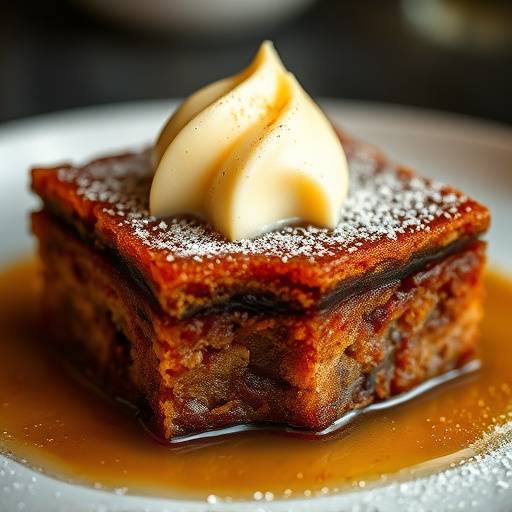
Malva Pudding
Malva pudding is a sweet spongy pudding of South African origin. It contains apricot jam and has a spongy caramelized texture. It is often served hot with custard or ice cream.
View Recipe
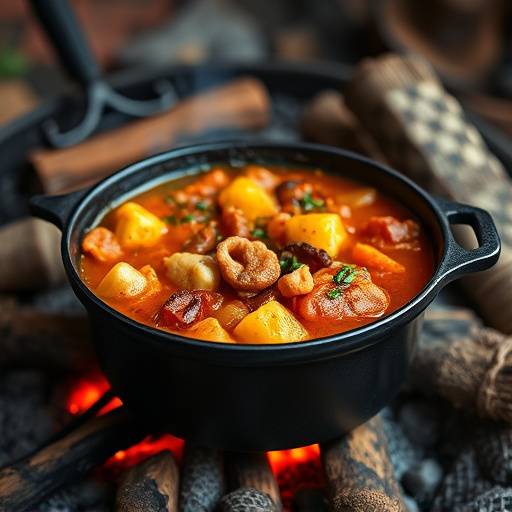
Potjiekos
Potjiekos, directly translated "small pot food", is a stew prepared outdoors. It is traditionally cooked in a round, cast iron, three-legged pot (the potjie) and slowly simmered with layers of meat, vegetables, and starch.
View Recipe
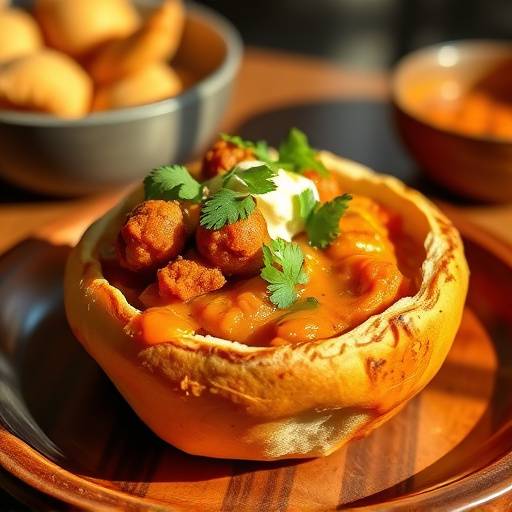
Bunny Chow
Bunny chow is a South African fast food dish consisting of a hollowed-out loaf of white bread filled with curry. It originated in Durban's Indian community.
View Recipe
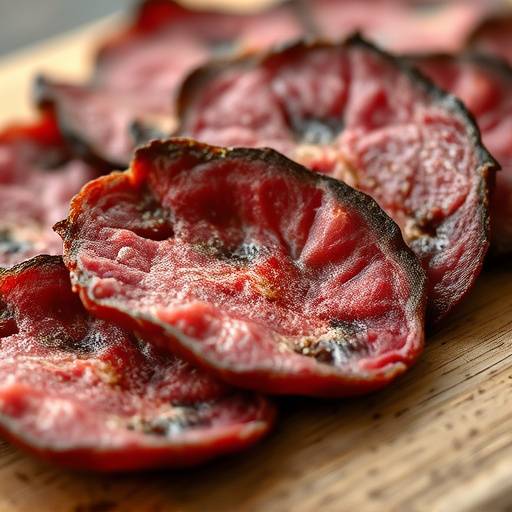
Biltong
Biltong is a form of air-dried, cured meat that originated in South Africa. Various types of meat are used to produce it, ranging from beef to game meats like kudu or ostrich.
View Recipe

Boerewors
Boerewors is a type of sausage which originated in South Africa. It is typically made from coarsely minced beef, and sometimes mixed with minced pork or lamb and spices.
View Recipe
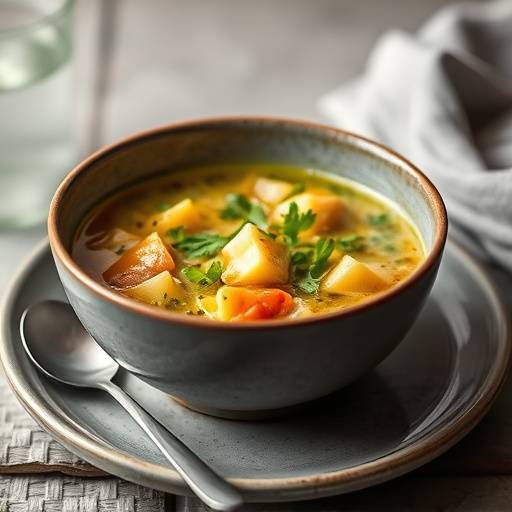
Waterblommetjie Bredie
Waterblommetjie bredie is a stew made of meat, typically lamb, and waterblommetjies (Cape water lilies), which are only available in the Western Cape region of South Africa during the winter months.
View Recipe
Melktert (Milk Tart)
Melktert, or Milk Tart, is a South African dessert consisting of a sweet pastry crust containing a creamy filling made from milk, flour, sugar and eggs.
View Recipe
A Glimpse into Culinary History
South African cuisine is a vibrant tapestry woven from various cultural influences, including indigenous traditions, Dutch, French, Indian, and Malaysian flavors. Traditional dishes often tell stories of resilience, adaptation, and celebration. For instance, Bobotie, a beloved Cape Malay dish, reflects the blending of spices and techniques brought by Indonesian and Malaysian slaves with local ingredients. Potjiekos, born from the necessity of cooking outdoors during the Great Trek, showcases the resourcefulness of the Voortrekkers. Understanding the history behind these dishes enriches the dining experience and connects us to our shared heritage. Professor Anya Smit, a culinary historian at the University of Cape Town, notes that "Traditional South African recipes are more than just food; they are living documents that preserve our cultural memory."
Regional Variations: A Taste of Diversity
South Africa's culinary landscape is as diverse as its people, with regional variations adding unique twists to traditional dishes. Here are a few examples:
- Bobotie (Cape Malay): While the basic recipe remains consistent, variations may include adding dried apricots or raisins for sweetness, or using different spice blends to cater to local preferences.
- Bunny Chow (Durban): Originally made with mutton curry, bunny chow now comes in various forms, including chicken, bean, and vegetable versions. The spice level also varies, with some establishments offering extra-hot options for those who crave the heat.
- Potjiekos (Nationwide): The type of meat and vegetables used in potjiekos can vary significantly depending on the region and available ingredients. Coastal regions might incorporate seafood, while inland areas may feature game meats like venison.
- Biltong (Nationwide): Different regions might prefer different cuts of meat and spice combinations for their biltong. Some prefer it drier and saltier, while others like it softer and more heavily spiced. In Gauteng, for example, a spicier, chilli-infused biltong is popular, reflecting the region's vibrant cultural mix.
Discovering these regional nuances is a delicious way to explore the cultural tapestry of South Africa. Local food critic, Sipho Dlamini, advises, "When traveling through South Africa, be sure to sample the regional variations of traditional dishes. It's an adventure for your taste buds!"